10 Baby Nursery Forest Animal Clipart: Whimsical Designs
Understanding the Visual Character and Style
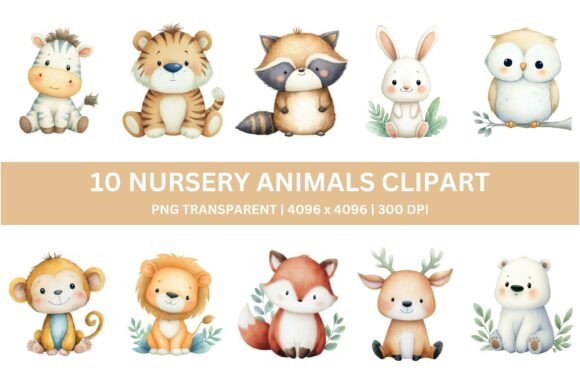
When you first encounter this collection, the immediate impression is one of softness and warmth. This set of 10 Baby Nursery Forest Animal Clipart is defined by a watercolor aesthetic that feels handmade and organic, moving away from the harsh digital lines often found in stock imagery. The visual style relies on bleeding edges and texture rather than solid vectors, giving the illustrations a tactile quality that mimics traditional painting. This approach makes the assets feel more personal and artisanal, which is a massive advantage when trying to establish a brand identity that values authenticity over corporate sterility.
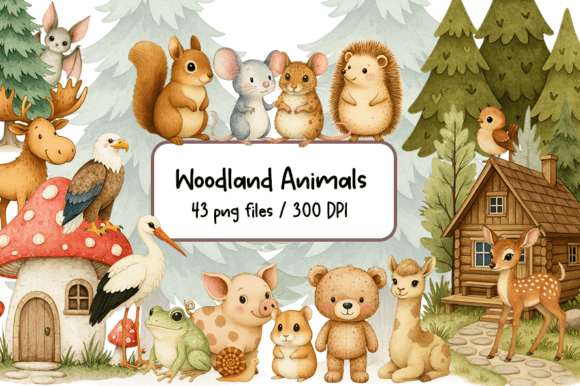
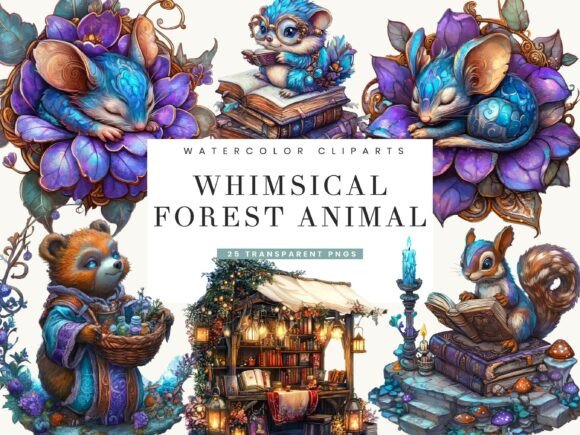
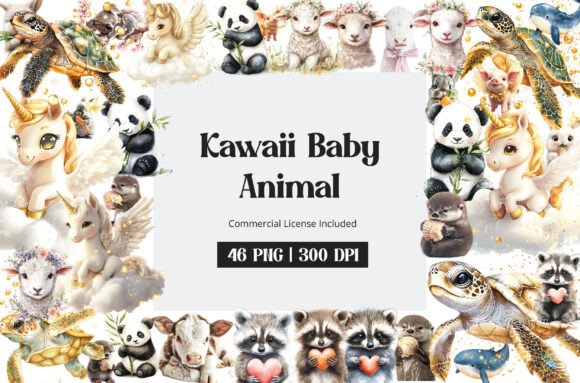
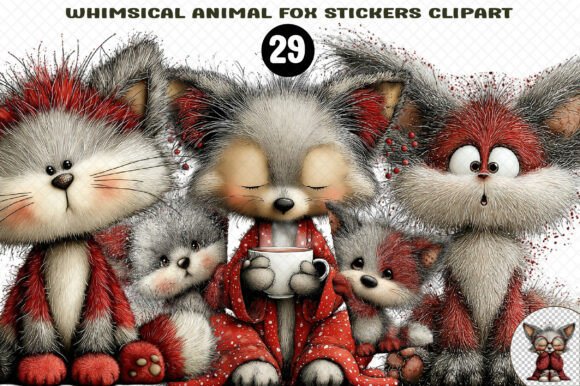
The color palette is intentionally muted and earthy. You won’t find neon pinks or electric blues here. Instead, the designer has utilized warm neutrals, sage greens, and gentle terracottas. This specific choice in modern typography and illustration trends is significant because it ensures the assets remain gender-neutral and versatile. Whether you are designing for a boy, a girl, or a gender-neutral nursery theme, these illustrations adapt seamlessly. The characters themselves—a mix of forest creatures like the fluffy tiger and the wide-eyed owl—possess a specific "kawaii" influence. They are drawn with large eyes and rounded proportions, a design choice that triggers a nurturing response in the viewer. This makes them perfect for packaging design where you need to grab attention quickly and evoke a specific emotional reaction.
Strategic Applications for Designers and Entrepreneurs
For graphic designers and small business owners, the utility of the 10 Baby Nursery Forest Animal Clipart extends far beyond simple decoration. One of the primary strengths of this set is its file format—high-resolution transparent PNGs. This technical detail is crucial for web design and composite work. You can layer these animals over complex backgrounds, textures, or photos without the hassle of masking. This allows for rapid prototyping in social media graphics or website headers, saving valuable production time.
Let’s look at practical application in editorial design. If you are a publisher working on a children’s book cover or a parenting magazine spread, these assets serve as excellent focal points. Because the art style is soft, it allows for flexible placement of text. You can easily overlay a script font or a handwritten font for titles without the visual elements clashing. The illustrations act as a supportive background that enhances readability rather than competing with it. This is a critical consideration in logo design for boutique children’s brands; the animal can serve as the logomark, provided the surrounding typography is clean and balanced.
Furthermore, for those in the print-on-demand space, these assets are a goldmine. Imagine a sans serif font paired with the playful monkey on a toddler’s backpack or a onesie. The whimsical nature of the clipart softens the corporate feel of standard sans serifs, creating a product that feels custom-made. This versatility allows you to create a cohesive product line—ranging from nursery wall art to throw pillows—using the same set of assets, thereby strengthening your brand consistency across multiple touchpoints.
Pairing Typography and Enhancing Visual Hierarchy
Choosing the right typeface to accompany the 10 Baby Nursery Forest Animal Clipart is about balancing whimsy with legibility. Since the illustrations are detailed and organic, you generally want to avoid overly ornate serif fonts or complex display fonts that might make the design feel cluttered. Instead, consider pairing these animals with a clean, rounded sans serif font. This combination creates a modern, friendly aesthetic that is easy to read on both screens and physical products. The simplicity of the type allows the charming details of the animals to shine.
However, if your goal is to emphasize the handmade quality, a script font can work beautifully for headlines or short phrases, provided it has good line spacing. The key to visual hierarchy here is scale. Let the animals be the hero image, and use the typography to anchor the composition. For example, in a baby shower invitation, placing the deer and the owl in the corners creates a framing effect, drawing the eye inward toward the event details. This strategic placement ensures that the "cute" factor doesn't overwhelm the functional purpose of the communication.
Practical Guidance for Commercial Use and Brand Cohesion
When integrating these assets into a professional workflow, licensing and quality control are paramount. Since these are premium font assets (in terms of illustration quality), they are designed to handle scaling better than low-resolution freebies. At 300 DPI, they are print-ready, which is essential for professional packaging design and physical merchandise. Always test the assets at the size you intend to print them; a character that looks great on a phone screen might lose its charm if pixelated on a large poster.
Consider the psychology of your target audience. Parents and gift-buyers in the 20–50 demographic are often looking for products that feel safe, nurturing, and high-quality. Using the 10 Baby Nursery Forest Animal Clipart signals that your brand pays attention to detail and values softness. It helps build trust. Whether you are creating digital planning stickers or physical wall art, the consistency of using a unified art style helps in building a recognizable brand identity. It tells the customer that all these products belong to the same family.
Ultimately, these illustrations are more than just cute pictures; they are functional design assets. They bridge the gap between digital convenience and the desire for handcrafted aesthetics. By treating them as integral components of your layout—rather than just stickers slapped on top—you can elevate your projects from amateur crafts to professional, market-ready designs. Whether for a blog, a boutique, or a personal scrapbook, this collection offers a solid foundation for creative storytelling.